Where Do Users Discover Brands Now? The Fragmented Journey in 2026
5 NOVEMBER 2026
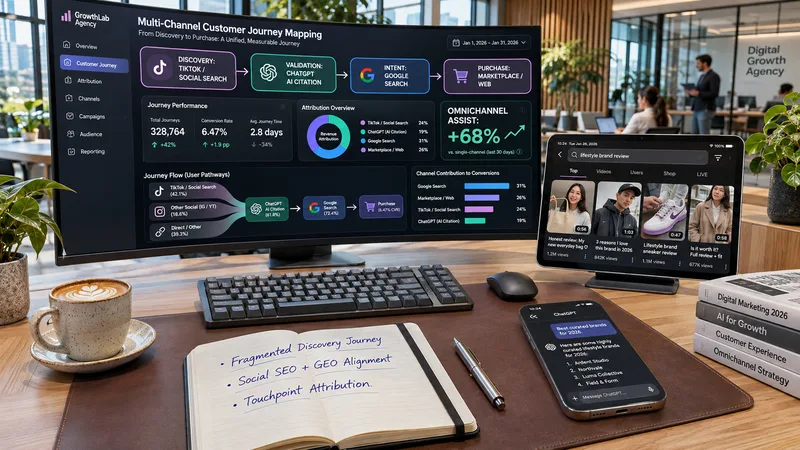
In the traditional marketing funnel, the path to purchase was linear and predictable: a consumer recognized a need, searched on Google, visited a website, and completed a transaction. By 2026, this linear model has been completely replaced by a fragmented, omnichannel digital discovery ecosystem. Modern shoppers no longer start their product searches solely on search engines; they discover brands inside TikTok feeds, Instagram Reels, generative AI chat prompts, marketplace catalog suggestions, and candid creator recommendations. This shift demands that businesses completely re-architect their SEO, performance advertising, and content strategies.
The Fragmented Customer Journey: Modern Discovery Channels in 2026
Social Media and Visual Search Engines
- Gen Z and Millennial audiences frequently bypass legacy search engines, using TikTok, Instagram, and Pinterest as primary discovery directories.
- Standard search result lists have given way to video-based proof, user testimonials, and real-time visual vetting, making social SEO and Gen Z search optimization a vital component of any brand's organic strategy.
Conversational AI and Answer Engines (LLMs)
- Generative tools like ChatGPT, Perplexity, and Google AI Overviews have evolved into trusted shopping consultants for direct recommendations and product comparisons.
- Instead of browsing multiple review sites, users ask AI systems for curated lists, placing direct trust in the few brands cited within the synthesized response.
Marketplaces and Creator-Driven Discovery
- Marketplaces like Amazon functions not just as fulfillment centers, but as top-of-funnel discovery engines where more than half of retail shoppers begin their research.
- Authentic User-Generated Content (UGC) and micro-influencer reviews generate immediate trust far faster than corporate ad messaging, prompting spontaneous discovery and purchase intent.
Adapting Brand Strategy to Modern Discovery Patterns
1. Build an Integrated Omnichannel Footprint
- Brands that rely on a single acquisition channel risk losing prospective buyers before the first point of contact ever occurs.
- A consumer may spot your product on TikTok, verify its legitimacy through Google, and complete the purchase on a marketplace; your visual identity and core messaging must remain unified across every touchpoint.
2. Expand Search Optimization Across Social and AI Feeds
- Modern SEO is no longer confined to Google rankings; it includes TikTok keyword descriptions, Instagram search tags, and Generative Engine Optimization (GEO) structured citations.
- Content must be optimized simultaneously for search engine crawlers and algorithmic social feeds that surface relevant vertical video.
3. Track Multi-Touch Impact with Advanced Attribution
- While fragmented discovery complicates tracking, data-driven attribution models in GA4 help reveal which early-stage touchpoints sparked the initial interaction.
- Upper-funnel social discovery investments should be evaluated accurately across the entire conversion path rather than dismissed under last-click models.
Navigating this decentralized digital landscape requires a partner with cross-channel technical expertise. Reviewing the core factors outlined in our guide on things to consider when choosing a digital agency will help you establish an effective strategic roadmap.
To ensure your brand connects with high-intent audiences across every modern discovery channel, get in touch with the Reklam5 team today. Partner with our digital marketing specialists to turn fragmented user interactions into lasting business growth.
Copyright 2026 - Reklam5: Dijital Ajans · Powered by 