SEO Guide for Car Sales Sites: Increase Traffic and Sales
19 DECEMBER 2025
The automotive sector has gone digital. Buyers go to Google before visiting the showroom. SEO for car sales sites is not just about getting traffic. It is about attracting the right buyer to the right listing. Competition is high. You must be strategic when competing with giants. This guide clarifies the technical and content steps for automotive sector SEO.
1. Basic Technical Infrastructure and "Crawl Budget" Management
Technical infrastructure is the foundation. Used car site SEO success depends on how Google bots crawl the site.
- Speed and Mobile Compatibility: Car buyers are on mobile. Your pages must load under 2 seconds. Serve images in WebP format. Use lazy-load.
- SSL and Security: User trust is essential. An SSL certificate (HTTPS) is mandatory.
Critical Issue: Filtering and Duplicate Content (Faceted Navigation)
Filters are the biggest SEO trap for vehicle sites. Selecting "BMW" + "Red" + "Diesel" + "2020" creates endless URL combinations. This causes "Duplicate Content" issues. It consumes your crawl budget.
- Solution: Block unnecessary parameters (e.g., Price range, gear type combinations) from the index. Use the meta robots="noindex" tag.
- Canonical: Mark main category pages (e.g., /bmw-3-series) as authoritative (canonical). Point parameterized URLs to this main page.

2. Category and Listing Page Architecture
Users usually search for "brand + model". Site architecture must be hierarchical.
- Correct Structure: sitename.com/brand/model/year (e.g., sitename.com/audi/a3/2023)
- Unique Content: Do not leave category pages empty. Add unique texts of 150-200 words describing the general features and market status of that model at the bottom of the page. These texts boost car listing page SEO performance.
- Internal Linking: Link from sub-models to top categories (using Breadcrumb structure).
3. Vehicle Detail Pages: Where Conversion Starts
The listing page closes the sale. The answer to how to rank car listings higher lies in the details here.
- Header (H1): Be clear and descriptive. Do not just write "For Sale BMW".
- Correct: "2020 BMW 3.20i M Sport - Error Free - 45.000 KM"
- Meta Title & Description: Write for clicks. Mention price advantages or trade-in options.
- Image Optimization: Edit filenames as bmw-320i-m-sport-front.jpg. Fill in alt tags.
- Structured Data (Schema Markup): Help Google understand the listing. Use the Vehicle or Product schema. Mark price, stock status, and brand information with this code.
4. Local SEO: Critical Step for Physical Galleries
Buyers want to see the car. Location-based searches (e.g., "Used cars in Izmir") are vital in auto gallery SEO strategy.
- Google Business Profile: Verify your business profile. Select your category as "Car Dealer". Upload photos of cars in your stock regularly.
- NAP Consistency: Your Name, Address, and Phone (NAP) information must be identical on your website, social media, and Google Maps.
- Location Pages: If you have multiple branches, create a separate "Contact/Location" page for each branch.
Analyze strong players in the sector for successful local and general SEO implementation. For example, you can examine sites like hedefoto.com to get ideas about category structures and listing details regarding user experience.
5. Attract Traffic with Blog and Content Strategy
Customers research before deciding on a vehicle. Catch them at this stage. Support car listing site SEO work with a blog.
- Guide Content: Answer questions like "What to look for when buying an SUV?", "Diesel or Hybrid?".
- Comparisons: "Fiat Egea vs Renault Megane" comparison articles bring high traffic.
- Authoritative Resources: Include current automotive news and trends in your content. You can follow current sources like DailyDrive for inspiration and to track the sector.
- Internal Linking: Link from the blog post to the relevant listing category. Redirect from "Cars with best fuel economy" article to your "Diesel Vehicles" page.
6. Conversion Oriented Improvements (CRO)
Traffic alone is not enough. You must turn the visitor into a customer.
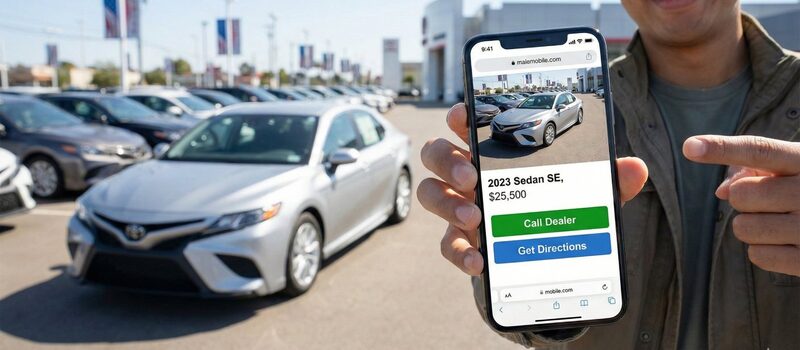
- CTA Buttons: Place buttons like "Call Now", "Write on WhatsApp", or "Book Test Drive" in easy-to-reach spots (Sticky Footer) on mobile screens.
- Trust Elements: Add inspection reports as PDFs to the page. This transparency creates trust and lowers the bounce rate.
Take Action
Automotive SEO requires patience and technical knowledge. A faulty filter structure can waste thousands of pages. The right strategy makes you a market leader. You can review Reklam5's SEO Service page to analyze your website technically and get professional support.
Copyright 2026 - Reklam5: Dijital Ajans · Powered by 