What Is Omnichannel Marketing? Why Brands Are Shifting to Unified Experiences
21 NOVEMBER 2026
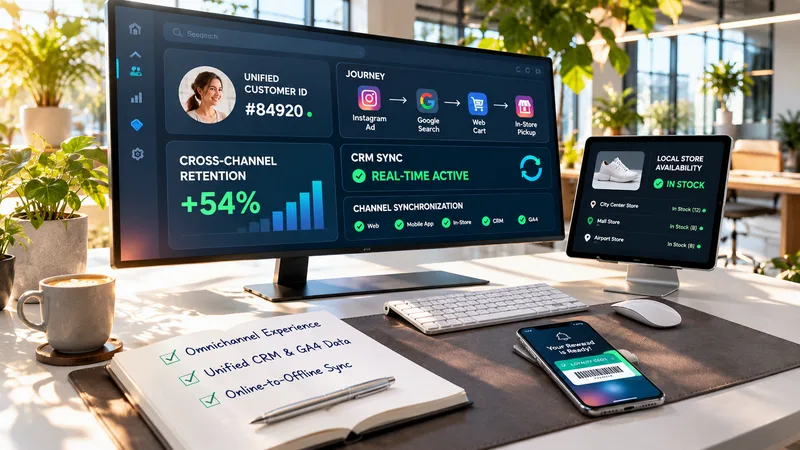
Modern consumers rarely make purchasing decisions within a single channel; they might discover a product in an Instagram feed, research its credibility on Google, add it to their cart on a mobile browser, and complete the purchase via a mobile app or inside a physical store. Rapid channel-switching renders disconnected, siloed marketing campaigns ineffective. This is where Omnichannel Marketing steps in—a strategic framework that unifies every digital and physical brand touchpoint around the user into a single, seamless customer experience. Here is what omnichannel marketing entails and why forward-thinking brands are rapidly pivoting toward this unified model.
What Is Omnichannel Marketing and How Does It Differ from Multichannel?
Shifting from Channel-Centric Silos to Customer-Centric Journeys
- In multichannel marketing, a brand maintains a presence across multiple platforms—such as a website, social media, and email—but those channels operate independently without sharing user context or data.
- In an omnichannel marketing model, every channel is integrated into a shared data ecosystem; regardless of where a user enters the journey, the brand recognizes them, remembers previous interactions, and continues the conversation seamlessly.
Synchronizing Online and Offline Touchpoints
- A true omnichannel architecture ensures that paid media, website experiences, customer support teams, and brick-and-mortar inventory systems communicate in real time.
- For example, when a shopper browses an item online, abandons their cart, receives a personalized mobile app notification, and subsequently unlocks an in-store loyalty offer upon visiting a physical branch, the brand is executing an authentic omnichannel experience.
Why Are Brands Shifting to Omnichannel Strategies?
1. Eliminating Friction Across Fragmented Customer Journeys
- In an ecosystem where buyers interact with an average of 6 to 8 touchpoints before converting, disconnected messaging directly inflates cart abandonment rates.
- Integrating e-commerce SEO strategies that boost product page visibility on search engines with cross-platform remarketing ensures high-intent users are nurtured rather than lost mid-journey.
2. Increasing Customer Lifetime Value (LTV) and Brand Loyalty
- Customers who engage consistently with a brand across multiple synchronized touchpoints exhibit significantly higher retention rates and repeat purchase frequency than single-channel buyers.
- Encountering consistent brand tone, accurate pricing, and tailored recommendations at every stage builds lasting trust and long-term brand loyalty.
3. Connecting Digital Research to Local Store Foot Traffic
- Digital product discovery frequently culminates in offline visits, particularly across retail, healthcare, and service sectors.
- Executing a targeted local SEO strategy acts as the critical bridge converting online brand awareness directly into physical foot traffic and in-store revenue.
3 Foundational Steps to Build an Omnichannel Framework
Establish Centralized Data and CRM Integration
- Unify web analytics (GA4), ad platforms, email automation, and Customer Relationship Management (CRM) systems under a single identity-resolution layer.
Maintain Visual and Messaging Consistency Everywhere
- Your Google Ads copy, Instagram creatives, email workflows, and landing pages must reflect identical value propositions, promotional terms, and brand identity.
Measure Full-Funnel Journeys Instead of Isolated Channels
- Move away from awarding entire conversion credit to last-click channels; adopt data-driven attribution models in GA4 to accurately value upper-funnel discovery and assisted conversions.
To unify your web, SEO, and performance advertising channels under one cohesive digital strategy, get in touch with the Reklam5 team today. Connect with our specialists to build a seamless customer experience across every touchpoint.
Copyright 2026 - Reklam5: Dijital Ajans · Powered by 